How November Rains Reveal Foundation Leaks in Toronto Homes
JKRC Engineering & Field Team
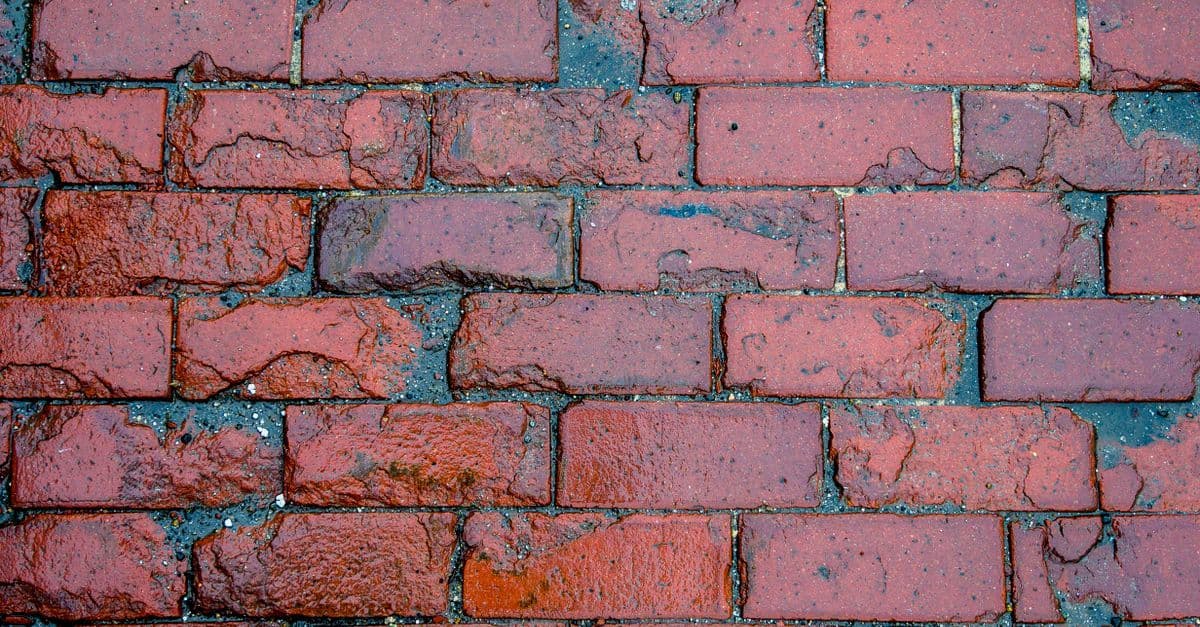
Late autumn rain saturates soil, increasing hydrostatic pressure and exposing hidden foundation cracks. Learn how exterior waterproofing provides permanent protection.
Late autumn weather brings cold temperatures and steady rainfall across Toronto, Etobicoke, and North York. When the ground becomes saturated, hidden vulnerabilities in concrete and block walls quickly start to show. Homeowners often notice new damp spots or pooling water near basement corners just as the seasons shift toward freezing temperatures.
How Late Autumn Precipitation Finds Foundation Gaps
As continuous autumn rains soak the soil around local homes, hydrostatic pressure builds rapidly against below-grade walls. Water follows the path of least resistance, pushing through hairline shrinkage cracks, mortar joints, and tie-rod holes. Because the ground holds more moisture now than it did during dry summer months, even minor masonry flaws begin to leak actively. This seasonal saturation acts as a reliable test for the overall integrity of your foundation, revealing structural weaknesses that remained dry during lighter summer showers.
Properties located in older pockets of Mississauga, Scarborough, and downtown Toronto often feature poured concrete or concrete block foundations that have weathered decades of freeze-thaw cycles. When water enters these small fissures and temperatures drop overnight, the trapped moisture expands. This physical process widens the original crack, making future leaks even more severe during subsequent storms. Ignoring a damp basement wall in late autumn almost always leads to frozen moisture issues or indoor mould growth once winter fully arrives.
Understanding Hydrostatic Pressure Around Local Properties
Hydrostatic pressure is the force exerted by standing water in saturated soil against the exterior of a foundation. As local clay-heavy soils absorb heavy November rains, they expand significantly and press against basement walls. This unrelenting lateral force targets any weak point in the structure, from window well connections to porous concrete patches. Understanding this pressure helps explain why interior sealants often fail when applied alone, because they do not neutralize the external weight of water-logged soil pushing inward.
To manage this seasonal ground water safely, properties often require robust water management systems. Installing a sump pump installation ensures that water accumulating beneath the slab is actively removed before it can rise through the floor joints. Additionally, addressing cracks directly through targeted basement leak repair prevents ongoing saturation from eroding the surrounding structural masonry over successive rainy seasons.
Choosing Permanent Solutions for Below-Grade Leaks
Applying quick surface patches from the inside rarely stops water that is being driven inward by sustained soil pressure. True resolution requires addressing the problem from the outside where the moisture originates. Professional intervention often involves comprehensive exterior waterproofing techniques. This process uncovers the exterior wall, repairs compromised masonry, applies heavy-duty waterproofing membranes, and installs proper drainage layers to direct water safely away from your property.
Property owners dealing with recurring dampness can also evaluate their overall drainage setup. Adding a French drain or ensuring proper surface grading around the foundation stops water from pooling near the house structure. For complex below-grade moisture issues, combining exterior membranes with structural foundation repair ensures the masonry remains dry and stable through every seasonal shift in the GTA.
Frequently asked questions
Why do basement leaks appear suddenly in late autumn?
Continuous rainfall saturates the surrounding soil, creating hydrostatic pressure that forces water through small cracks and gaps in basement walls that stayed dry during summer.
Can interior sealants fix a leaking foundation crack permanently?
Interior hydraulic cement or epoxy injections stop active trickles temporarily, but exterior repairs are needed to stop soil moisture from pressing against the concrete wall.
What qualifications should a waterproofing contractor hold?
Ensure your contractor is fully insured, WSIB covered, and backed by a transferable workmanship warranty to protect your property investment.
Protect your home from seasonal moisture infiltration before the ground freezes solid. Call us at (647) 621-3341 or visit contact us to discuss your waterproofing and foundation needs today.
Photo: Frank Cone / Pexels
JKRC Engineering & Field Team
With over 25 years of hands-on GTA experience, the JKRC in-house field crew delivers turnkey structural waterproofing, basement lowering, and concrete restoration across Toronto and Southern Ontario.
Field Journal
Related Articles
Why Condo Parking Garage Ceilings Leak After Heavy Storms in Toronto
Heavy autumn downpours across Toronto often expose hidden structural vulnerabilities, leading to water dripping from overhead parking garage slabs.

Preventing Frozen Sump Pump Discharge Lines in Toronto
As temperatures drop across Toronto, frozen discharge lines can block your sump pump. Learn how to protect your system before winter weather arrives.