Identifying Retaining Wall Damage in Etobicoke This November
JKRC Engineering & Field Team
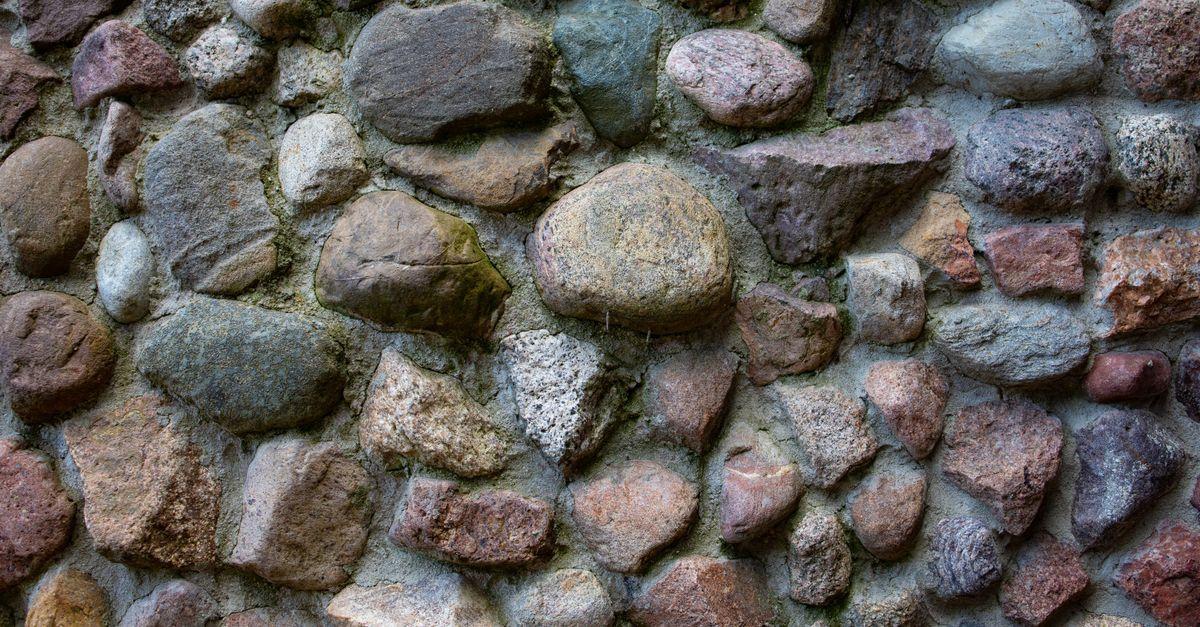
Late autumn weather brings soil saturation and frost, putting heavy pressure on retaining walls in Etobicoke. Spot the warning signs of failure early.
Late autumn in Ontario brings heavy cold rains followed by sudden overnight drops below 0 °C. For property owners in Etobicoke, this mix of water saturation and early frost creates intense pressure on outdoor masonry and concrete structures. A well-built outdoor wall manages heavy earth loads, but November weather often exposes hidden drainage issues and structural movement that require professional attention.
Recognizing Soil Saturation and Poor Drainage
When autumn storms hit the GTA, soil behind outdoor structures absorbs large amounts of water and expands significantly. If water cannot escape through proper weep holes or gravel layers, hydrostatic pressure builds rapidly against the back of the masonry. You might notice muddy pooling near the base, persistent dampness along the bottom courses, or soil washing out from between mortar joints.
Proper site grading and functional drainage components are essential to relieve this weight. When water sits trapped behind the structure, freeze-thaw cycles turn that trapped moisture into expanding ice, which forces stone and concrete outward. Addressing drainage deficiencies early helps protect your property layout and prevents sudden structural shifts when deep winter arrives.
Spotting Shifting Blocks and Cracked Masonry
Visual checks during late November often reveal the physical toll of seasonal ground movement. Walk along your property line to look closely at the alignment of your masonry or concrete units. Warning signs include:
- Blocks or stones that tilt forward or lean away from the slope
- Horizontal or stair-step cracks running through mortar joints
- Gaps opening up between individual stones or interlocking sections
- Settling or sinking at either end of the structural run
Even minor misalignments tend to worsen quickly once freezing temperatures lock the saturated soil into place. Ignoring these early visual cues often leads to a complete structural collapse later in the season, creating safety hazards and much higher repair costs down the road.
Professional Options for Retaining Wall Repair
When structural movement or severe cracking becomes visible, patching the surface masonry rarely solves the underlying problem. Experienced contractors assess the entire system, looking at soil loads, footing depth, and backfill materials to determine the correct fix. Sometimes rebuilding sections with proper tie-backs and geogrid reinforcement is necessary to restore long-term stability.
For ongoing durability on sloped properties, proper installation of features like retaining walls ensures that earth loads and water runoff are managed correctly year-round. Our team brings 25+ years in the GTA to every project, offering licensed & insured service backed by WSIB coverage and a transferable workmanship warranty.
Preventing Future Seasonal Movement
Protecting your outdoor masonry requires proactive property maintenance before the ground freezes solid. Ensure that downspouts from your roof discharge water far away from any sloped earth features or patio borders. Clearing out accumulated leaves and debris from surface channels keeps water moving freely away from your foundations.
If you notice persistent wet spots or pooling near your property boundaries, adding proper sub-surface drainage pipes or gravel backfill can relieve trapped moisture. Taking these steps reduces the freezing pressure that causes stones to shift out of alignment during harsh winter weather.
Frequently asked questions
Why is my retaining wall bulging outward in late fall?
Bulging usually indicates severe hydrostatic pressure caused by trapped water behind the structure combined with expanding frozen soil. As the wet earth freezes, it pushes the masonry outward.
Can a leaning retaining wall be saved without a full rebuild?
Sometimes minor leaning can be stabilized if the foundation and footings remain sound, but most significant shifts require partial reconstruction and improved drainage.
When should I schedule professional repairs for outdoor masonry?
It is best to address structural shifting and drainage issues as soon as you spot them in autumn before deep winter frosts lock the ground completely.
Call us today at (647) 621-3341 or visit our contact us page to discuss your project needs across Toronto, Etobicoke, North York, Scarborough, Mississauga, Vaughan, Markham, Richmond Hill, and Oakville.
JKRC Engineering & Field Team
With over 25 years of hands-on GTA experience, the JKRC in-house field crew delivers turnkey structural waterproofing, basement lowering, and concrete restoration across Toronto and Southern Ontario.
Field Journal
Related Articles

Why Older Toronto Homes Need Backwater Valve Maintenance
As November rains increase the risk of municipal sewer backups, older Toronto homes need functional backwater valves. Proper maintenance protects your basement.
Inspecting Toronto Window Well Drains Before Snow
Late fall is the critical time to clear your window well drains before freezing temperatures and snow arrive across Toronto and Etobicoke.