Decoding Efflorescence on Toronto Basement Walls
JKRC Engineering & Field Team
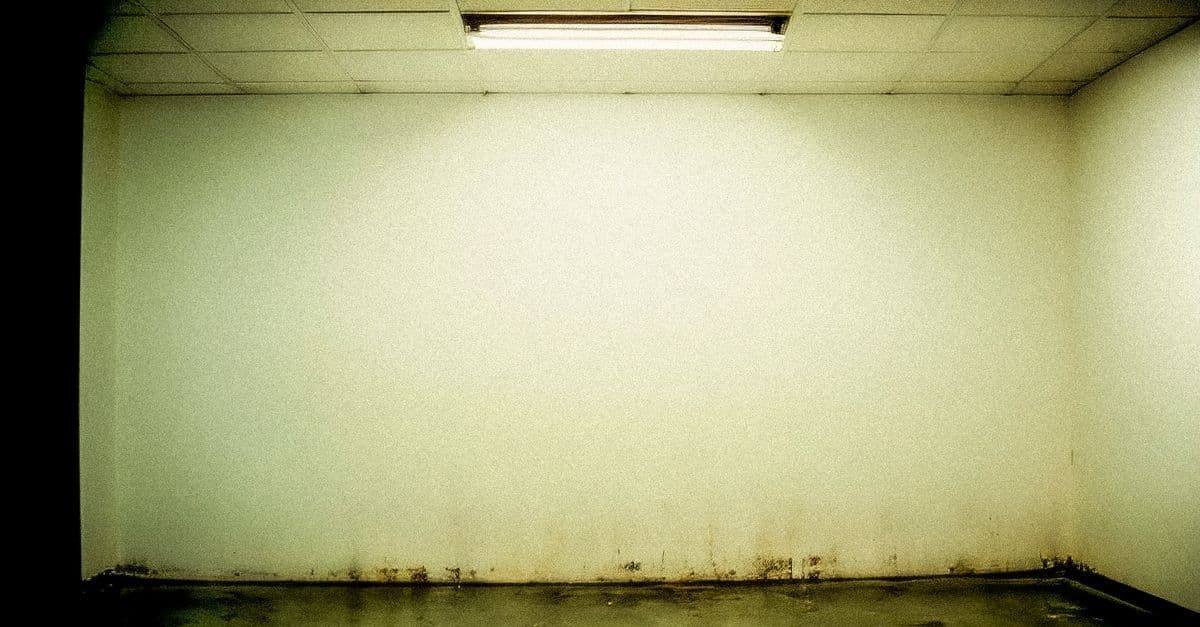
Spotting a chalky, white substance on your basement walls points to moisture migration. Learn what efflorescence means and how to manage it before winter.
Spotting a chalky, white substance on your basement concrete or masonry walls can be puzzling. This powdery residue often appears during autumn when seasonal rains saturate the soil around your property in Toronto. Understanding what this material is helps you address the root cause before moisture leads to bigger structural concerns.
What Is Efflorescence and Why It Appears
That white powder is known as efflorescence. It forms when water moves through concrete, brick, or cinder block walls, dissolving soluble salts within the masonry. As the moisture reaches the interior surface and evaporates, it leaves behind these mineral deposits. In regions like Etobicoke and North York, heavy seasonal precipitation drives groundwater against foundations, forcing moisture inward and bringing minerals along for the ride.
While the powder itself is harmless and easily brushed off, it serves as a visible indicator of active moisture migration through your foundation. Ignoring these deposits usually means ignoring the broader issue of water movement through your concrete walls. Over time, continuous moisture pressure can weaken masonry, cause paint or sealants to peel, and create a damp basement environment. Understanding this cycle is the first step toward keeping your lower level dry as temperatures drop.
Identifying Moisture Sources and Routes
Finding the exact entry point requires checking where the powder is thickest. If the white dusting appears near the floor-wall joint or low on the foundation, groundwater is likely exerting hydrostatic pressure from beneath the slab. If streaks run down from middle wall cracks or tie-rod holes, surface water from outside is finding a direct path inward.
- Inspect exterior grading to ensure soil slopes away from the structure.
- Check downspouts to confirm they discharge water far from the foundation walls.
- Look for existing hairline cracks where minerals concentrate.
Addressing these exterior factors helps reduce the volume of water pushing against your concrete. However, porous foundation walls in older Toronto homes will always remain vulnerable to sub-grade moisture during wet weather. Regular checks during the fall months can help you catch these signs early.
Interior Waterproofing and Moisture Control
When water regularly penetrates your masonry, surface cleaning only offers a temporary fix. Managing indoor humidity and stopping active seepage requires professional intervention to capture and redirect water safely away from your living space. Installing an interior drainage network combined with a sump pump is a reliable way to manage sub-grade water.
For comprehensive protection, property owners often look into interior waterproofing systems that catch water at the wall-floor junction and channel it safely to a discharge point. Combining this with targeted basement leak repair stops active moisture dead in its tracks. If foundation cracks are the primary culprit behind the mineral trails, professional foundation repair seals those vulnerable entry points for good. For complete property protection across the GTA, our crew is available for Licensed & insured work backed by WSIB coverage and a Transferable workmanship warranty.
Dealing With Foundation Seepage in Older Homes
Older properties throughout Scarborough, Markham, and downtown Toronto feature varied foundation types, from poured concrete to historical brick. Each material reacts differently to shifting moisture levels and ground frost. When water travels through these older assemblies, it carries dissolved minerals that crystallize upon contact with indoor air.
Ignoring these mineral trails often leads to worsening dampness, rotting baseboards, and degraded indoor air quality. Taking a proactive approach involves assessing both the interior living spaces and the surrounding yard drainage. When surface measures fall short, installing interior collection channels provides a dependable defense against seasonal saturation.
Frequently asked questions
Is white powder on basement walls dangerous?
The powder itself is simply harmless mineral salt, but the moisture causing it can lead to mould, musty odours, and concrete degradation over time.
Can I just paint over the efflorescence?
Painting over salt deposits without stopping the underlying moisture will cause the paint to bubble, crack, and peel off within a short period.
How does interior waterproofing stop the powder?
Interior drainage systems capture migrating water before it reaches the surface, preventing the evaporation cycle that leaves mineral deposits behind.
Protect your home from hidden moisture issues by reaching out to our team today. Call us at (647) 621-3341 or visit our contact us page to discuss your waterproofing needs before winter sets in.
Photo: Yusuf Çelik / Pexels
JKRC Engineering & Field Team
With over 25 years of hands-on GTA experience, the JKRC in-house field crew delivers turnkey structural waterproofing, basement lowering, and concrete restoration across Toronto and Southern Ontario.
Field Journal
Related Articles
Signs Your Etobicoke Basement Needs Underpinning
Low basement ceilings and foundation settlement are common in older Etobicoke homes. Learn the warning signs that indicate your property needs underpinning.
Why Foundation Cracks Leak During Heavy October Rains in Toronto
Autumn downpours saturate soil and test your foundation walls. Learn why hairline cracks leak in October and how exterior waterproofing provides a permanent fix.