Fixing Concrete Block Wall Seepage in Toronto Basements
JKRC Engineering & Field Team
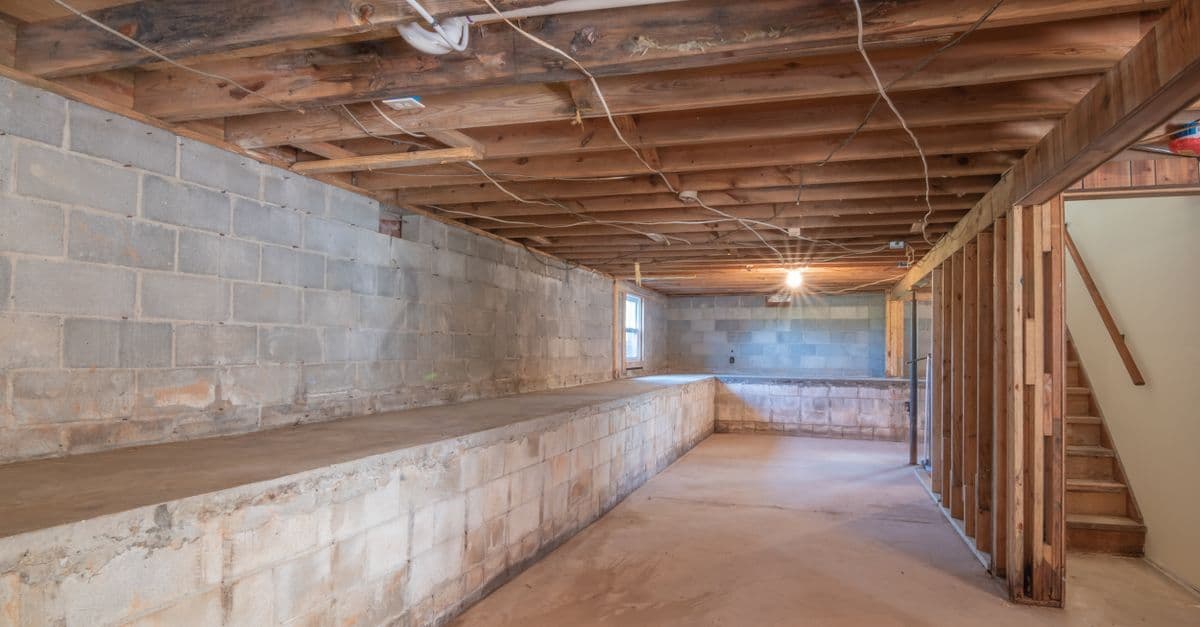
Discover why concrete block basement walls seep moisture during rainy weather and how interior waterproofing stops dampness from spreading through your home.
Late fall weather in Toronto brings cold snaps and heavy rain that test the integrity of local home foundations. When you notice damp patches or pooling water along your basement floor, concrete block walls are often the source of the trouble. Understanding why moisture makes its way through these masonry units helps property owners protect their living spaces from long-term damage.
Why Concrete Block Walls Seep Moisture
Concrete block foundations are constructed from individual masonry units held together by mortar joints. While the blocks themselves have some density, the mortar joints are porous and prone to absorbing moisture when soil surrounding the foundation stays saturated. As seasonal temperatures drop across Toronto, Etobicoke, and North York, water collects against the exterior masonry. This hydrostatic pressure forces moisture through tiny gaps in the mortar, causing damp spots, peeling paint, and musty odours inside the basement. Over time, recurring saturation weakens the mortar beds, which can lead to structural shifting if left unaddressed. Homeowners often notice these damp areas spreading slowly along the base of the wall during extended rainy periods.
The Role of Hydrostatic Pressure and Mortar Saturation
When heavy autumn rains saturate the clay-heavy soils common throughout the GTA, water has nowhere to go but down. As the soil fills with water, it exerts lateral force against the exterior of your concrete block foundation. Because mortar is naturally more porous than the concrete blocks it binds, water finds the path of least resistance right through these horizontal and vertical joints. The hollow cores inside standard concrete blocks can also fill with water over time, creating an internal reservoir that slowly weeps out through hairline cracks or porous spots. Recognizing this buildup helps explain why dampness often appears long after the rain has stopped outside, as the saturated earth continues to press moisture inward for days.
Stopping Dampness With Interior Solutions
When exterior excavation is not immediately feasible, managing moisture from the inside is an effective strategy to keep your lower level dry. Licensed & insured crews utilize specialized techniques to intercept water before it spreads across your finished or unfinished floors. A reliable approach involves installing a sub-floor drainage channel combined with a heavy-duty vapour barrier to capture moisture seeping through the blocks. This system guides water downward into a designated collection point rather than letting it pool across the floor. Property managers and homeowners looking for durable moisture control often rely on professional Interior waterproofing systems to manage wall dampness. WSIB covered technicians ensure the installation integrates seamlessly with your existing foundation layout, protecting your property against seasonal water intrusion.
Practical Steps for Foundation Health
Managing basement seepage requires a combination of interior management and exterior maintenance to keep water away from the masonry. Check your exterior grading to ensure soil slopes away from the foundation walls rather than pooling near the house. Extend downspouts at least two metres away from the perimeter to prevent roof runoff from saturating the soil directly beside your concrete blocks. Clear out eavestroughs regularly and inspect window wells to make sure debris does not trap water against the wall assembly. If water continues to find a path inside, addressing the issue promptly prevents mould growth and protects the structural framing of your home. You can also explore options like Foundation repair if structural cracks develop from prolonged exposure to wet soil.
Frequently asked questions
Why does water appear on the bottom row of concrete blocks first?
Gravity pulls moisture downward through the hollow cores of the blocks and through the porous mortar joints. The bottom course sits closest to the footing drain level, where water pressure is typically highest during heavy precipitation.
Can interior waterproofing stop mould caused by block wall seepage?
Interior drainage systems manage active water entry and reduce indoor humidity levels when paired with proper vapour barriers. Controlling moisture stops mould from thriving on organic materials stored near the foundation walls.
How long does an interior waterproofing installation take?
Most standard residential interior waterproofing projects can be completed within a few days depending on the size of the basement. Technicians open a narrow channel along the perimeter floor, install the drainage track, connect it to the sump system, and repour the concrete neatly.
To discuss concrete block seepage or to schedule an inspection for your property, call us at (647) 621-3341 or visit our contact us page to get in touch with our team today.
Photo: Curtis Adams / Pexels
JKRC Engineering & Field Team
With over 25 years of hands-on GTA experience, the JKRC in-house field crew delivers turnkey structural waterproofing, basement lowering, and concrete restoration across Toronto and Southern Ontario.
Field Journal
Related Articles
Condo Late Fall Leak Audits in Toronto
Learn how late fall building water leak repairs protect Toronto condo envelopes from freeze-thaw cycles and hydrostatic pressure before winter arrives.
How November Rains Reveal Foundation Leaks in Toronto Homes
Late autumn rain saturates soil, increasing hydrostatic pressure and exposing hidden foundation cracks. Learn how exterior waterproofing provides permanent protection.