How to Inspect Your Retaining Wall Before Winter in Toronto
JKRC Engineering & Field Team
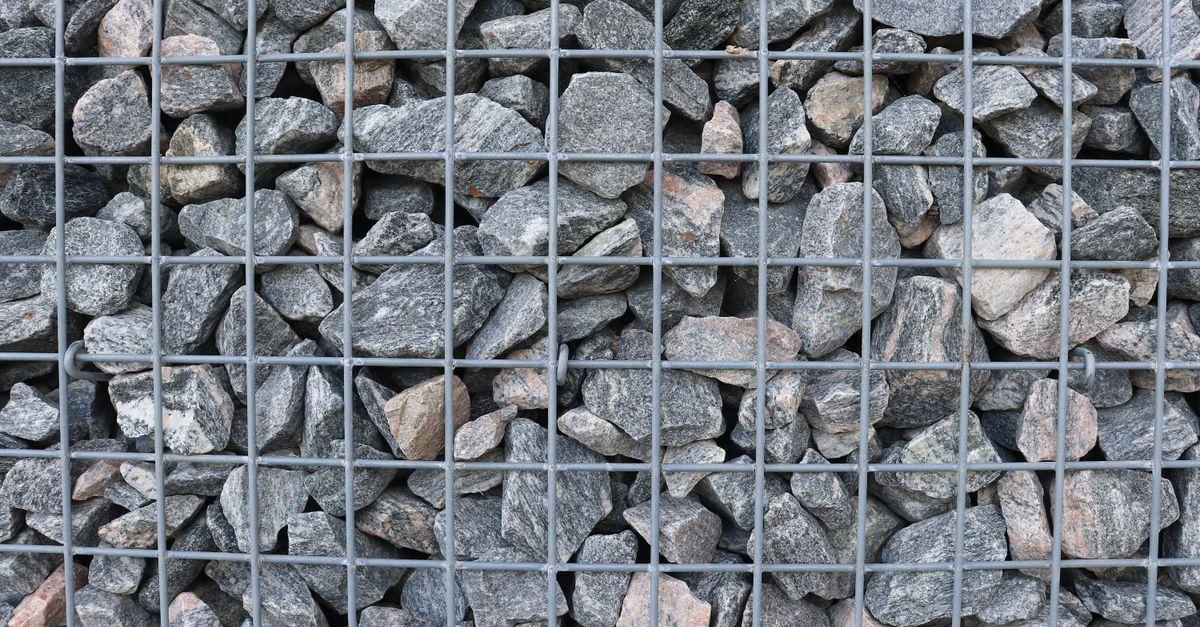
Inspect your Toronto retaining wall for leaning blocks and clogged drainage before winter frost arrives. Learn what to check on your property.
Late November brings freezing temperatures and heavy frost across the GTA, making it crucial to check your property masonry before winter weather settles in completely. Taking time to walk your property lines allows you to spot structural shifts and drainage failures while outdoor repairs remain manageable. Catching these problems now protects your yard from sudden shifts when the ground freezes solid.
Checking for Leaning Blocks and Structural Shifting
Start your evaluation by standing a few metres back from the structure to observe its overall alignment. A healthy wall should stand straight, but a noticeable forward tilt or bulging middle section indicates serious soil pressure behind the masonry. When temperatures drop and moisture in the retained earth turns to ice, it expands significantly against the back of the masonry. This frost heave exerts massive lateral force, pushing blocks outward if the internal support is compromised. You should also look closely at individual stones or concrete units to check for severe cracking, crumbling mortar joints, or loose caps along the top row. Small hairline cracks can quickly widen once trapped water freezes and thaws repeatedly throughout the winter months. If you notice entire sections shifting out of place, professional masonry intervention is needed to restore stability before snow loads accumulate. For properties requiring heavy-duty site stabilization, exploring professional retaining walls construction ensures long-term safety and proper engineering.
Clearing Drainage Ports and Managing Water Flow
Water management remains the single most important factor in keeping landscape masonry stable through cold weather cycles. Inspect the base of the structure to locate any weep holes or plastic drain pipes designed to let trapped subsurface water escape. Fall foliage, wind-blown debris, and wet soil often clog these critical outlets, trapping water directly behind the wall structure. When trapped moisture freezes, it creates tremendous internal pressure that forces joints apart and cracks solid concrete units. Grab a trowel or gloved hands to clear away accumulated leaves and mud from every drainage opening along the base. Ensure that surface water from nearby lawns or paved driveways slopes away from the top edge rather than pooling behind the masonry. Proper grading prevents excess saturation and stops surface runoff from infiltrating the core of the installation. In some cases, updating your site layout or installing french drains nearby helps manage heavy water flow before it reaches the structure.
Recognizing Foundation and Soil Stress Signs
Beyond the visible face of the masonry, the surrounding soil and grade offer important clues about the health of your installation. Walk along the upper tier of the earth and check for sudden depressions, sinking soil, or major cracks running parallel to the wall. These surface flaws indicate that the soil behind the structure is settling unevenly, which often pulls anchor systems out of alignment. If you live in areas like Etobicoke, North York, or Scarborough, native clay-heavy soils tend to retain large amounts of moisture late into the season. This heavy soil expands dramatically as it freezes, increasing the load placed on landscape structures across the property. Look out for water pooling on top of the soil bed after a late autumn rainstorm, as this points to poor infiltration and an overloaded sub-base. Documenting these problem areas helps property managers and homeowners communicate effectively with contractors before repair work begins.
Frequently asked questions
Why do retaining walls lean outward in winter?
Freezing temperatures cause moisture trapped in the soil behind the wall to expand, creating immense lateral pressure known as frost heave. If the structure lacks adequate drainage or proper anchoring, this frozen soil pushes the blocks outward.
How can I tell if my retaining wall needs professional repair?
Visible warning signs include a noticeable tilt, bulging sections, missing mortar, cracked masonry units, and water pooling continuously behind the structure. Addressing these symptoms early prevents sudden collapse during spring thaws.
Are permits required for retaining wall repairs in Toronto?
Permit requirements depend on the height of the structure and its proximity to property lines or municipal easements across Toronto and surrounding regions. Consulting an experienced contractor helps ensure local building codes are met.
Protect your property from winter damage by addressing landscape masonry issues early. Contact JKRC Group today at (647) 621-3341 or visit contact us to discuss your project needs.
Photo: Jef KoeleWijn / Pexels
JKRC Engineering & Field Team
With over 25 years of hands-on GTA experience, the JKRC in-house field crew delivers turnkey structural waterproofing, basement lowering, and concrete restoration across Toronto and Southern Ontario.
Field Journal
Related Articles
Why Backwater Valves Are Essential for Toronto Homeowners
When the municipal sewer system reaches capacity, wastewater can flow backward into your home. A backwater valve is your best defence against this hazard.
Managing French Drains in Toronto Before Winter Sets In
As November temperatures drop in Toronto, managing surface water is crucial to preventing basement damage. Discover how a French drain helps keep your home dry.