Managing French Drains in Toronto Before Winter Sets In
JKRC Engineering & Field Team
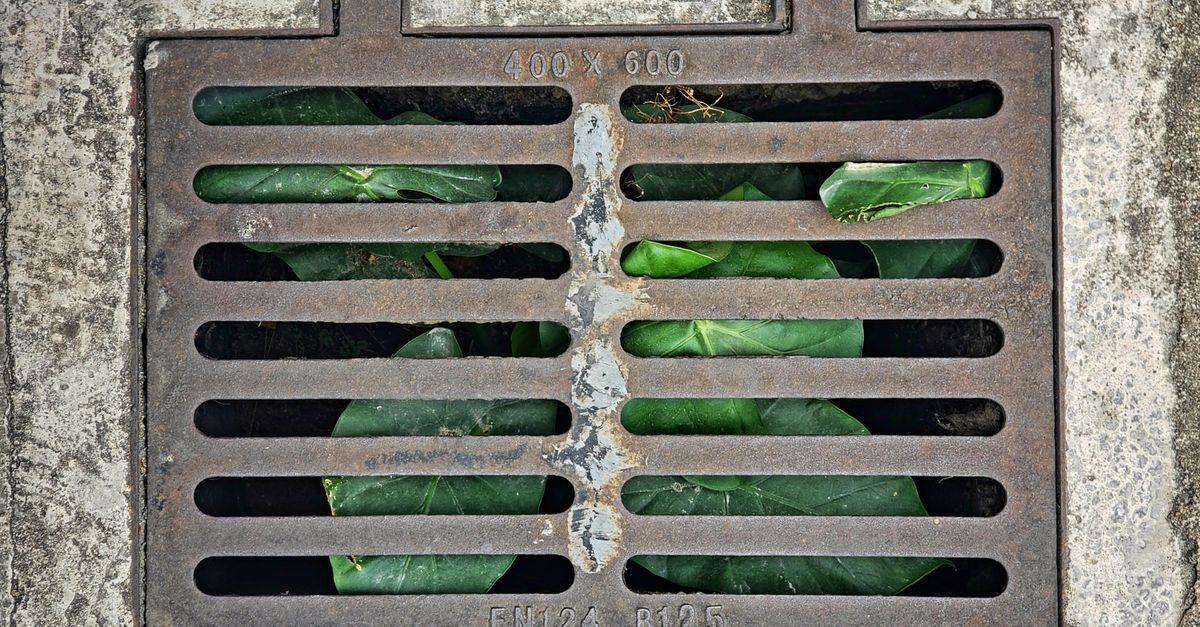
As November temperatures drop in Toronto, managing surface water is crucial to preventing basement damage. Discover how a French drain helps keep your home dry.
As late November arrives in Toronto, the ground begins to saturate from frequent rains and the early onset of frost. Ensuring that surface water moves away from your foundation is one of the most effective ways to prevent moisture from entering your basement or crawl space. A properly installed French drain acts as a critical line of defence, collecting excess water and directing it safely away from your home.
How a French drain system works
A French drain is a trench filled with gravel or rock that contains a perforated pipe. This system is designed to intercept water before it reaches your foundation walls. When heavy rain falls or snow begins to melt, the water follows the path of least resistance, which is the loose gravel surrounding the pipe. Once the water enters the pipe, it flows away from the structure toward a drainage point, such as a storm sewer or a low-lying area on the property.
In older homes across Etobicoke and North York, existing drainage systems may be compromised by debris or aging materials. Installing a new French drain is a proactive measure that reduces hydrostatic pressure against your foundation. By keeping the soil around your perimeter drier, you minimize the risk of water pushing through small cracks or porous concrete sections as the temperatures fluctuate.
Maintenance tips for late fall
Before the ground freezes solid for the winter, take time to inspect the surface areas near your foundation. If you notice pooling water after a storm, it is a clear sign that your current grading or drainage is insufficient. Keeping your downspouts extended away from the house and ensuring that your yard slopes away from the foundation are vital steps for every homeowner in Toronto.
If you have a drainage system installed, check the exit points to ensure they are not blocked by fallen leaves or autumn debris. A clogged outlet can cause water to back up into the pipe, rendering the entire system ineffective. If you find that your basement remains damp despite these efforts, it may be time to consult with professionals who are Licensed & insured and offer 24/7 emergency response to address persistent moisture issues.
Professional installation and assessment
Not all drainage problems are solved by surface adjustments alone. In some cases, the soil composition around your home may require a more robust solution that integrates with your existing Exterior waterproofing or Foundation repair strategies. When we assess a property, we look at the slope of the land, the location of your weeping tiles, and the proximity of neighboring properties to ensure the drainage solution is effective and compliant with local standards.
We bring 25+ years in the GTA to every project. Whether you are dealing with water seepage in a residential property or looking to improve drainage for a larger building, we provide solutions that are WSIB covered. We also stand behind our work with a Transferable workmanship warranty, giving you peace of mind as we head into the winter months.
Frequently asked questions
Can I install a French drain myself?
While it may seem like a straightforward digging project, proper slope and material selection are essential for functionality. Incorrect installation can lead to water pooling against your foundation, so consulting a professional is often the safest path.
How do I know if my French drain is blocked?
If you notice water backing up or pooling near your foundation during a light rain, the system may be obstructed. We can inspect your drainage lines to determine if cleaning or repair is necessary.
Does a French drain work in freezing temperatures?
Yes, if installed at the correct depth below the frost line and designed with a proper slope, the system will continue to function. It is important to ensure the outlet remains clear of ice and snow buildup throughout the winter.
If you are concerned about water management on your property this November, please reach out to our team. You can contact us to discuss your specific drainage needs or call (647) 621-3341 to speak with an experienced member of our team today.
JKRC Engineering & Field Team
With over 25 years of hands-on GTA experience, the JKRC in-house field crew delivers turnkey structural waterproofing, basement lowering, and concrete restoration across Toronto and Southern Ontario.
Field Journal
Related Articles
Why Backwater Valves Are Essential for Toronto Homeowners
When the municipal sewer system reaches capacity, wastewater can flow backward into your home. A backwater valve is your best defence against this hazard.
Why Toronto Condominium Parkades Leak After Heavy Storms
Heavy autumn storms across Toronto test the waterproof integrity of condominium parkades. Learn how water infiltrates concrete structures and what property managers can do next.