Why Toronto Condominium Parkades Leak After Heavy Storms
JKRC Engineering & Field Team
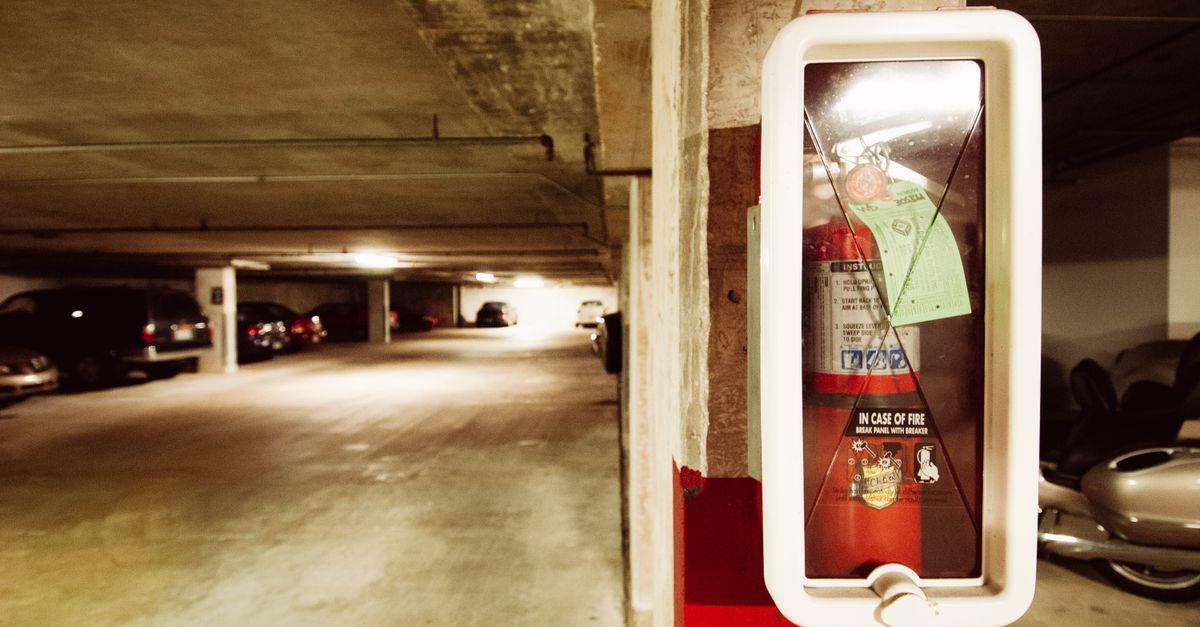
Heavy autumn storms across Toronto test the waterproof integrity of condominium parkades. Learn how water infiltrates concrete structures and what property managers can do next.
Heavy autumn storms across Toronto bring intense rainfall that tests the structural integrity of large residential and commercial buildings. When water breaches an underground parking garage, property managers often face sudden pooling, slippery driving ramps, and tenant complaints about damp vehicle stalls. Understanding how moisture infiltrates subterranean structures is the first step toward effective remediation before freezing winter temperatures arrive across the Greater Toronto Area.
Common Entry Points for Parkade Leaks
Condominium parkades feature expansive concrete decks, retaining walls, and expansion joints that experience constant stress. During major weather events, water finds its way through vulnerable areas long before it reaches interior residential living spaces. Property managers in Toronto, Etobicoke, and North York frequently notice moisture intrusion in specific structural zones:
- Expansion joints that have lost their flexible seal over time.
- Cracks in poured concrete walls or aging foundation structures.
- Pipe penetrations where utility lines enter the building envelope.
- Ramps and sloped entryways lacking adequate surface drainage.
Addressing these trouble spots promptly prevents minor seepage from turning into major structural deterioration. When concrete absorbs persistent moisture, reinforcing steel rebar inside can rust, expand, and crack the surrounding material. This process weakens the overall load-bearing capacity of the parkade deck and accelerates costly wear.
Assessing Below-Grade Water Infiltration
Diagnosing the root cause of a garage leak requires a careful inspection of both the interior concrete surfaces and the exterior grade above. Water often travels along hidden paths, entering high up on a wall or ceiling but pooling far away from the actual breach point. Property managers dealing with recurring moisture issues should schedule a professional assessment to locate the exact entry points.
When building envelopes or below-grade foundation walls fail, targeted condominium and building water leak repair restores the watertight barrier required to keep parking levels dry through heavy rain and snow. Experienced contractors use specialized injection techniques and membrane applications to stop active water flow at the source.
Managing Hydrostatic Pressure Around Foundations
As autumn rain saturates the earth surrounding large buildings, hydrostatic pressure builds up dramatically against subterranean walls. This downward and lateral force pushes water through hairline cracks, porous concrete, and vulnerable window or door frames. Ensuring proper site drainage and maintaining functional perimeter drainage systems helps alleviate this intense pressure.
If water is allowed to accumulate against the structure, it will eventually find a weak spot. Property managers should also review exterior landscaping and surface grading to make sure rain runs away from the building rather than pooling near structural walls or drainage grates.
Preparing Properties for Freezing Temperatures
Late autumn in Ontario brings sudden cold snaps that turn standing water into expanding ice, which can severely widen existing cracks in concrete structures. Ensuring that all drainage channels, floor drains, and sump systems are clear of fallen leaves and debris is essential before the first deep freeze.
Maintenance teams should also inspect exterior grading to verify that rainwater flows away from building foundations. Taking these preventative steps protects concrete from freeze-thaw cycles that break down materials and cause spalling over time.
Frequently asked questions
Why do parkade leaks worsen during autumn storms?
Heavy autumn rainfalls saturate the surrounding soil rapidly, increasing hydrostatic pressure against below-grade walls and deck membranes. This pressure forces water through even the smallest hairline cracks, failed expansion joints, or porous concrete patches.
How can property managers prevent winter freeze-thaw damage in garages?
Clearing debris from drainage systems, sealing active cracks promptly, and addressing exterior water pooling before temperatures drop below zero helps prevent ice expansion inside concrete assemblies.
When should a professional contractor be called for a building leak?
Any recurring moisture stain, active dripping from a ceiling, or pooling water on a parkade floor warrants an immediate evaluation by an experienced contractor to determine the correct repair method.
Protect your property from seasonal moisture damage by reaching out to JKRC Group today. Call us at (647) 621-3341 or use contact us to discuss your building maintenance needs.
Photo: DΛVΞ GΛRCIΛ / Pexels
JKRC Engineering & Field Team
With over 25 years of hands-on GTA experience, the JKRC in-house field crew delivers turnkey structural waterproofing, basement lowering, and concrete restoration across Toronto and Southern Ontario.
Field Journal
Related Articles
Protecting Your Toronto Basement From Late Fall Heavy Rains
Heavy late fall rains in Toronto can expose vulnerabilities in your foundation. Discover practical property checks and effective ways to stop water entry before winter arrives.
Why Foundation Cracks Expand During Toronto Freezing Cycles
Learn how moisture freezing inside foundation cracks during late fall causes structural gaps, and find out how to protect your Toronto home before winter.