Why Foundation Cracks Expand During Toronto Freezing Cycles
JKRC Engineering & Field Team
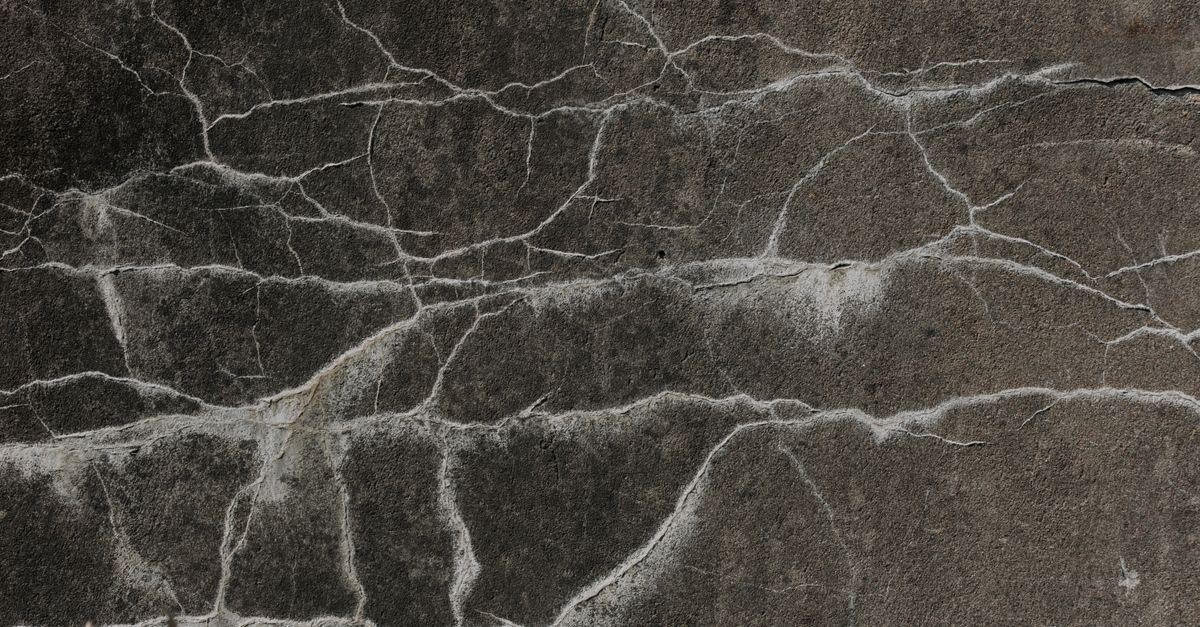
Learn how moisture freezing inside foundation cracks during late fall causes structural gaps, and find out how to protect your Toronto home before winter.
As late fall temperatures drop across Toronto, Etobicoke, and North York, the moisture sitting inside your concrete walls undergoes a powerful physical transformation. When water trapped inside minor foundation cracks freezes, it expands by nearly ten percent, exerting tremendous pressure against the surrounding material. This recurring cold weather cycle turns hairline fissures into wider structural gaps that require prompt intervention.
The Mechanics of Frost Expansion in Concrete
Concrete is porous by nature, allowing small amounts of groundwater and surface runoff to seep into microscopic cavities. When autumn rains saturate the soil around your home and subsequent cold snaps arrive, that trapped water turns to solid ice. As ice expands, it forces the edges of the crack further apart, deepening the damage with every single freeze-thaw event. Property owners in Mississauga, Vaughan, and Markham often notice these openings becoming much more pronounced once winter arrives, making timely foundation repair essential before heavier snowfalls occur.
Identifying Vulnerable Areas on Your Walls
Walk around your basement interior and exterior perimeter to check for vertical or diagonal gaps in poured concrete and mortar joints. Pay close attention to corners and areas near downspouts where soil saturation levels tend to remain higher throughout the late autumn months. If left unaddressed, these expanding gaps allow even more moisture to infiltrate your lower levels, eventually leading to active indoor seepage that demands comprehensive basement leak repair.
Managing Groundwater Around Your Perimeter
Controlling how water behaves around your home is vital for stopping the freeze-thaw cycle at its source. When soil remains waterlogged late in the season, hydrostatic pressure mounts against basement walls, pushing moisture directly into every available fissure. Installing a french drain helps redirect surface water away from vulnerable building perimeters before temperatures plunge below zero. Additionally, ensuring that your property grading slopes away from the foundation prevents pooling water from feeding these expanding cracks throughout the winter months.
Interior Moisture Control Strategies
While exterior management stops water at the source, interior defenses provide a necessary safety net when seasonal thaws occur. Setting up proper drainage channels inside the basement ensures that any water managing to bypass the foundation walls is safely collected and removed. Many property managers in Richmond Hill and Scarborough rely on professional interior waterproofing systems to keep lower levels dry while structural repairs are planned.
Preventing Structural Damage Before Deep Freezes
Stopping water from entering these crevices is the single most effective way to halt the winter expansion cycle. Ensuring that your lot grading slopes away from exterior walls and keeping eavestroughs clear of fallen leaves will significantly reduce hydrostatic pressure against the structure. For long-term protection against seasonal ground movement, professional exterior waterproofing creates a reliable shield that keeps groundwater away from vulnerable concrete surfaces entirely.
Frequently asked questions
Can I patch foundation cracks myself before winter?
Surface masonry sealants and DIY epoxy kits can temporarily slow down minor drafts, but they rarely address the root cause of moisture entry behind the wall. Professional assessment ensures that shifting structural loads and deep-seated cracks are properly stabilized against freezing ground pressures.
Why do foundation leaks seem worse during late autumn?
Frequent cold rains combined with dropping soil temperatures mean the ground surrounding your home stays saturated without evaporating. This high volume of hydrostatic pressure forces water through every available fissure in aging concrete.
How do I know if a crack is purely cosmetic or structural?
Hairline surface crazing is often harmless shrinkage, but wide gaps, stair-step cracks in brickwork, or walls visibly shifting inward require expert evaluation. Licensed & insured technicians can accurately diagnose the severity of the damage and recommend the correct fix.
Protect your property from winter freeze-thaw cycles by speaking with our team today. Call us at (647) 621-3341 or visit our contact us page to schedule an inspection.
Photo: cottonbro studio / Pexels
JKRC Engineering & Field Team
With over 25 years of hands-on GTA experience, the JKRC in-house field crew delivers turnkey structural waterproofing, basement lowering, and concrete restoration across Toronto and Southern Ontario.
Field Journal
Related Articles
Protecting Toronto Homes with Sump Pump Battery Backups
Late autumn rainstorms across Toronto can knock out power grids, leaving standard sump pumps helpless. A battery backup system keeps your basement dry when the lights go out.
Inspecting Retaining Walls for Frost Heave in Toronto
As temperatures drop across Toronto, frost heave can cause significant stress on retaining walls. Follow these steps to spot damage before winter sets in.