Inspecting Retaining Walls for Frost Heave in Toronto
JKRC Engineering & Field Team
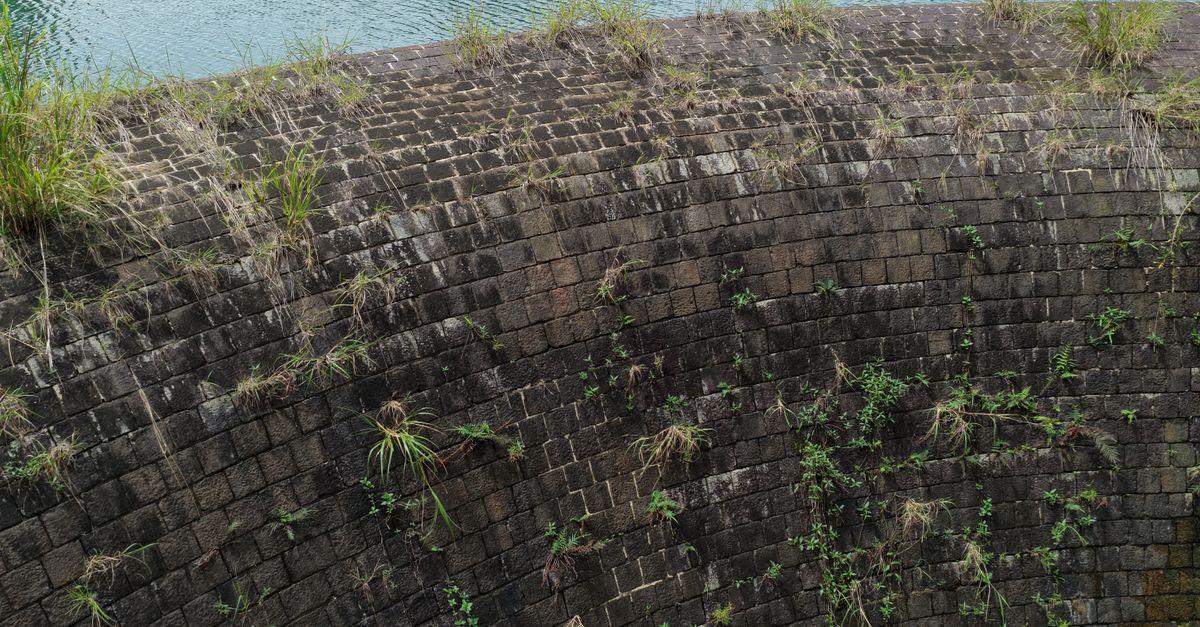
As temperatures drop across Toronto, frost heave can cause significant stress on retaining walls. Follow these steps to spot damage before winter sets in.
November in Toronto brings cold nights and frequent moisture, which creates the perfect environment for frost heave. When water trapped behind a wall freezes, it expands, pushing against the structure with immense force. If your retaining wall is not properly drained, this pressure can cause cracks, leaning, or even total collapse. Taking time to inspect your property in Etobicoke or North York now can save you from more costly repairs when the spring thaw arrives.
Understanding the Impact of Frost Heave
Frost heave occurs when the soil behind a wall becomes saturated with water. As the temperature drops below 0 °C, the water turns to ice and expands. Because the soil is confined between the wall and the solid ground behind it, the force is directed outward against the masonry or concrete. Over several cycles of freezing and thawing, this pressure can shift structural components significantly.
If you notice horizontal cracks running along the mortar joints or see the wall beginning to tilt outward at the top, you are likely looking at the results of soil expansion. In older properties, these movements may be subtle at first, appearing as small gaps where the wall meets the soil or the patio. If left unaddressed, the wall may lose its structural integrity, requiring professional intervention. For those interested in long-term solutions, we provide expert Retaining walls services to ensure your landscape remains stable throughout the GTA.
Visual Indicators of Structural Stress
When walking along your retaining walls, look for specific signs of distress that suggest the drainage system behind the wall may be failing. Water should flow away from the structure, not pool against it. If you see efflorescence—a white, powdery residue—on the face of the concrete, it indicates that water is leaching through the wall, carrying minerals with it. This is a clear sign that the internal drainage is compromised.
Check for these common issues:
- Vertical or horizontal cracks in the concrete blocks or mortar.
- Stones that have shifted or popped out of alignment.
- The wall leaning or bulging at the mid-section.
- Soil erosion at the base of the wall, which weakens the foundation.
If you find these signs, it is important to assess the stability of the structure. A wall that is shifting significantly might eventually require partial reconstruction or the addition of improved drainage to relieve the hydrostatic pressure. We are Licensed & insured and offer a Transferable workmanship warranty to give you peace of mind during any restoration project.
Managing Drainage and Soil Pressure
Proper drainage is the most effective way to prevent frost damage. Ensure that the soil behind the wall is graded to slope away from the structure rather than toward it. If you have downspouts discharging water near the wall, extend them so that water is directed at least two metres away from the base. This simple step prevents the ground behind the wall from becoming oversaturated before the first deep freeze.
If you suspect that your existing drainage is blocked, consider if the wall needs a more robust system. Proper backfill with clean gravel and a functioning pipe system allows water to exit before it can freeze. If you are concerned about the current condition of your landscape, we are available to help with 24/7 emergency response if a wall shows signs of sudden failure during our unpredictable Ontario winters.
Frequently asked questions
How can I tell if my wall is unsafe?
If you see large gaps opening between blocks, significant leaning that exceeds a few centimetres, or if the wall is crumbling at the base, it may be unsafe. These signs suggest that the wall is no longer able to hold back the soil pressure.
Can I fix a leaning wall myself?
Minor cosmetic cracks can sometimes be patched, but a leaning wall indicates a structural issue with the base or drainage. It is usually best to have a professional evaluate the foundation to determine if the wall needs to be rebuilt or reinforced.
Does WSIB coverage apply to residential wall repairs?
Yes, JKRC Group is WSIB covered for all projects we undertake. This ensures that all work is performed with the necessary safety and liability standards in place.
We have been serving the GTA for 25+ years and are ready to assist with your property maintenance needs. If you notice concerning movement in your retaining walls, please call (647) 621-3341 or visit our contact us page to schedule a site visit.
Photo: kwok fai sin / Pexels
JKRC Engineering & Field Team
With over 25 years of hands-on GTA experience, the JKRC in-house field crew delivers turnkey structural waterproofing, basement lowering, and concrete restoration across Toronto and Southern Ontario.
Field Journal
Related Articles
Asphalt Driveway Care for Toronto Winters
Late November brings cold snaps and the first threat of snow. Taking time now to address your asphalt surface helps prevent cracks from becoming potholes.
Methods for Basement Underpinning and Lowering in Toronto
Learn how traditional underpinning and bench footing methods strengthen Toronto foundations while lowering basement floors for added headroom.