Asphalt Driveway Care for Toronto Winters
JKRC Engineering & Field Team
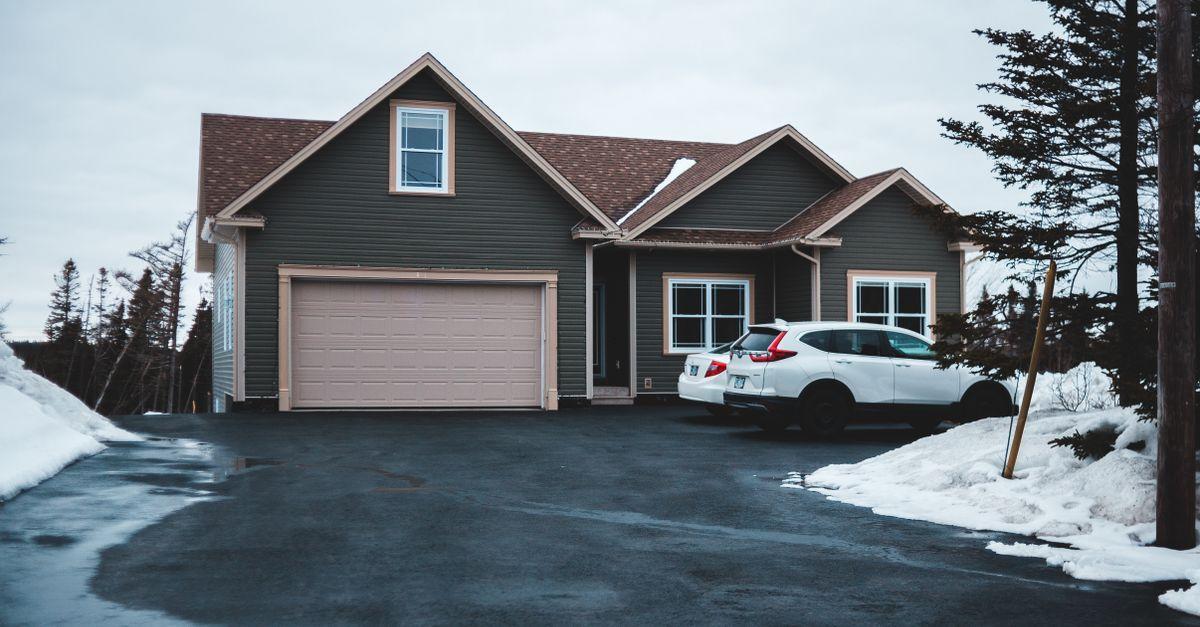
Late November brings cold snaps and the first threat of snow. Taking time now to address your asphalt surface helps prevent cracks from becoming potholes.
Late November brings cold snaps and the first threat of snow across Toronto, Etobicoke, and Mississauga. Taking time now to address your asphalt surface helps prevent small cracks from expanding into major potholes once the ground freezes and cycles through temperature changes.
Checking Your Asphalt Surface for Damage
Walk your driveway carefully to inspect the condition of the pavement before temperatures drop permanently. Look closely for hairline cracks, alligator cracking patterns, and depressions where water might pool and freeze. Water that settles in surface voids expands when temperatures drop below zero, which quickly breaks apart weakened pavement. Clearing away fallen leaves and dirt gives you a clear view of the actual surface condition so you do not miss hidden problem areas. If you notice crumbling edges or sunken spots near your garage apron, note those locations for immediate patching before the snowploughs start running. Licensed & insured professionals can evaluate severe structural settling if the sub-base has failed completely under the weight of vehicles over the years. We bring 25+ years in the GTA to every project, ensuring your paved surfaces withstand local weather extremes. WSIB covered crews also handle commercial and residential paving needs safely across the region.
Crack Filling and Surface Protection
Sealing small gaps prevents moisture from penetrating the sub-base and destabilising the entire driveway structure. Clean out debris and loose gravel from any cracks using a stiff wire brush and a leaf blower before applying a rubberised cold pour crack filler. For larger surface areas, a fresh coat of asphalt sealer blocks out moisture, oil drips, and de-icing salt during the upcoming winter months. Always complete these tasks on a dry day when temperatures stay above the minimum curing threshold recommended on the product label. Taking care of these maintenance steps now saves you from costly excavations when spring arrives. You can also explore our asphalt paving options if your driveway requires a complete resurfacing rather than simple patching. Applying these materials correctly ensures the integrity of your surface throughout the coldest months.
Managing Drainage Around Your Driveway
Water management plays a vital role in preserving the lifespan of your asphalt pavement through the freeze-thaw cycle. Ensure that melting snow and rain drain away from the edges of the driveway instead of seeping underneath the base aggregate. Clear out nearby catch basins and make sure your landscaping slopes gently away from the paved surfaces. Pooling water along the borders softens the sub-base, leading to edge cracking and severe rutting under car tires. A well-drained driveway resists frost heaving much better than one trapped in standing water. Check the grade along your garage door entry to ensure water does not flow back toward the foundation wall during a thaw.
Long-Term Maintenance and Structural Stability
If you notice that your driveway is consistently holding water in the same spot, you may have an issue with the underlying grade or soil compaction. Over time, the heavy weight of vehicles can cause the gravel base to shift, creating low points. If the damage is deep, simple surface sealing will only be a temporary fix. Professional assessment can determine if the entire section needs to be excavated and repaved to ensure a level surface. Maintaining the structural integrity of your asphalt is just as important as waterproofing your home, as the driveway often sits directly against your foundation walls. With our 24/7 emergency response, we are available to help manage significant issues that may arise during major winter storms.
Frequently asked questions
When is it too cold to patch an asphalt driveway?
Most cold pour crack fillers and sealants require temperatures above 10 °C to cure properly. If freezing weather arrives before you finish, it is best to wait for a milder day or rely on temporary cold patch material until spring.
Can I use regular rock salt on my new asphalt driveway?
Avoid using harsh de-icing chemicals or heavy rock salt on brand-new asphalt during its first winter season. Instead, use sand or pet-safe ice melters to maintain traction without damaging the fresh surface binder.
Should I clear snow all the way to the asphalt surface?
Yes, clearing snow down to the surface helps prevent ice from bonding to the pavement. Using a plastic shovel or a snowblower with rubber edges will prevent unnecessary surface scuffing during the winter.
Ready to protect your property before the heavy snow sets in? Reach out to our team at (647) 621-3341 or visit our contact us page to discuss your project today.
Photo: Erik Mclean / Pexels
JKRC Engineering & Field Team
With over 25 years of hands-on GTA experience, the JKRC in-house field crew delivers turnkey structural waterproofing, basement lowering, and concrete restoration across Toronto and Southern Ontario.
Field Journal
Related Articles
Methods for Basement Underpinning and Lowering in Toronto
Learn how traditional underpinning and bench footing methods strengthen Toronto foundations while lowering basement floors for added headroom.
Spotting Foundation Shifting in Toronto Before Winter Freezes
Late autumn brings cold snaps and frost that can worsen foundation shifts. Learn how to inspect your Toronto or Etobicoke home for early signs of movement.