Spotting Foundation Shifting in Toronto Before Winter Freezes
JKRC Engineering & Field Team
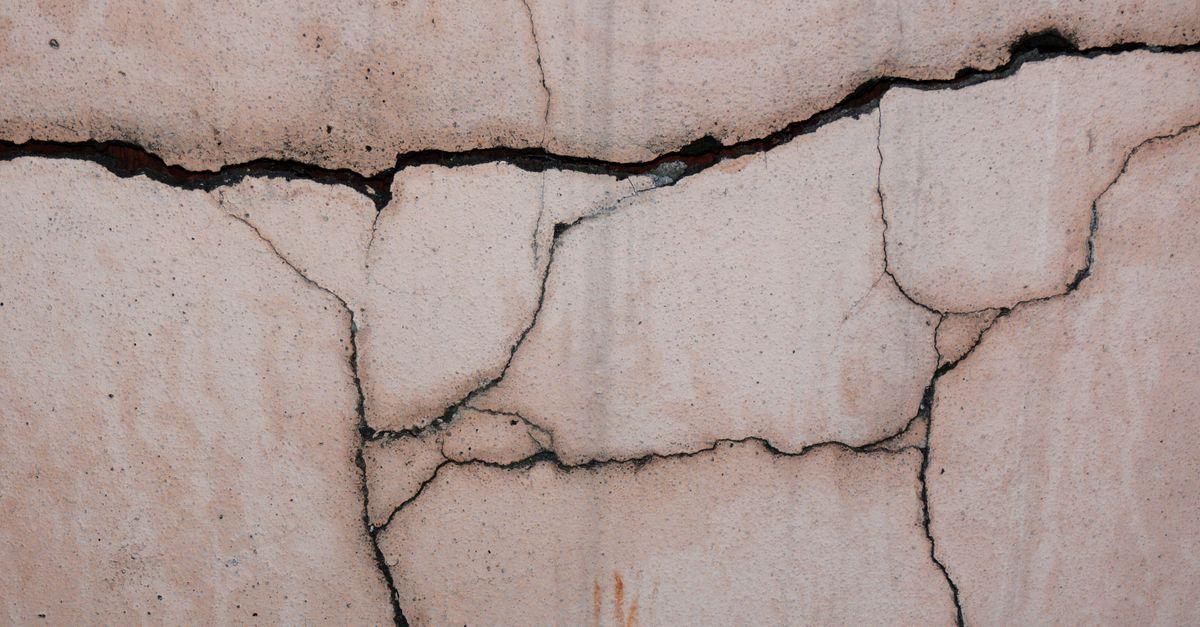
Late autumn brings cold snaps and frost that can worsen foundation shifts. Learn how to inspect your Toronto or Etobicoke home for early signs of movement.
Late autumn in Ontario brings cold snaps and dropping temperatures that put hidden stress on residential structures. When the ground begins to freeze, moisture trapped in the soil expands and exerts heavy pressure against concrete walls. Property owners in Toronto, Etobicoke, and North York should take time before the deep freeze sets in to check their properties for early signs of movement.
Catching small structural changes early prevents minor settling from turning into major structural issues during winter. Walk around your property with a keen eye, noting any new gaps or alignment issues. If you notice signs of shifting, addressing them quickly through professional Foundation repair keeps your basement stable all winter.
Checking Exterior Brickwork and Mortar Joints
Your home exterior often provides the first visible clues about foundation movement. Walk around your perimeter and look closely at the brickwork, stone veneer, and mortar joints.
- Look for stair-step cracks following the mortar lines between bricks, which usually indicate that one section of the wall is settling faster than another.
- Check window frames and door frames on the main floor to see if they appear slightly tilted or out of square.
- Observe where your exterior walls meet the porch or garage to check for widening gaps.
Small gaps in mortar allow late autumn rain to enter, where freezing temperatures can widen the opening overnight. Sealing these exterior gaps promptly protects the masonry before heavier snow arrives.
Inspecting Interior Walls and Basement Corners
Inside the lower level, concrete walls and framing reveal how the overall structure is behaving under seasonal soil pressure. Head down to the basement and check the upper corners of foundation walls where they meet the ceiling joists.
- Look for diagonal cracks stretching upward from the corners of basement windows or doorways.
- Check poured concrete walls for vertical hairline fractures that might widen as soil temperatures drop.
- Test interior doors and basement doors to see if they suddenly stick, rub against the frame, or fail to latch smoothly.
Interior drywall cracks on upper floors can also point to foundation settling below. If you spot active leaks alongside these cracks, you may need to combine structural fixes with Basement leak repair to keep water out during winter thaws.
Understanding Soil Moisture and Frost Heave
Ontario clay soils retain a great deal of moisture, making them particularly vulnerable to expansion when temperatures drop below zero. As the frost line creeps deeper into the ground, frozen soil pushes inward against basement walls and upward beneath shallow footings.
Properties in areas with high water tables or poor exterior drainage experience greater seasonal movement. Ensuring your downspouts direct water far away from the foundation reduces the amount of moisture available to freeze against your concrete walls. Good surface drainage is a reliable defense against winter frost heave.
Frequently asked questions
What causes foundation cracks to appear in late autumn?
As temperatures drop and rain increases, soil expands and exerts heavy pressure against foundation walls. This seasonal movement often opens up hairline cracks that formed during earlier dry summer months.
Are hairline cracks in a foundation dangerous?
Not all hairline cracks indicate a major structural failure, but any crack can let water seep in during winter thaws. Monitoring their width helps determine if the crack is stable or actively shifting.
When should I call a professional for foundation movement?
If you notice widening gaps, doors that no longer close properly, or water leaking through new cracks, you should arrange an evaluation. We bring 25+ years in the GTA, are Licensed & insured, and carry WSIB coverage for your peace of mind.
Protect your property before winter weather settles in across the GTA. To discuss your foundation concerns or to contact us for a detailed assessment, call JKRC Group at (647) 621-3341 today.
Photo: barış erkin / Pexels
JKRC Engineering & Field Team
With over 25 years of hands-on GTA experience, the JKRC in-house field crew delivers turnkey structural waterproofing, basement lowering, and concrete restoration across Toronto and Southern Ontario.
Field Journal
Related Articles
Checking Your Toronto Sump Pump Check Valve Before Winter
Discover what happens when your sump pump check valve fails and causes water to cycle back into the pit. Learn how timely sump pump service protects your home.

Interlocking Paver Projects in Late November Across Toronto
Can you install interlocking pavers during late November in Toronto? Learn how freezing temperatures affect sub-base compaction and what steps matter most.