Interlocking Paver Projects in Late November Across Toronto
JKRC Engineering & Field Team
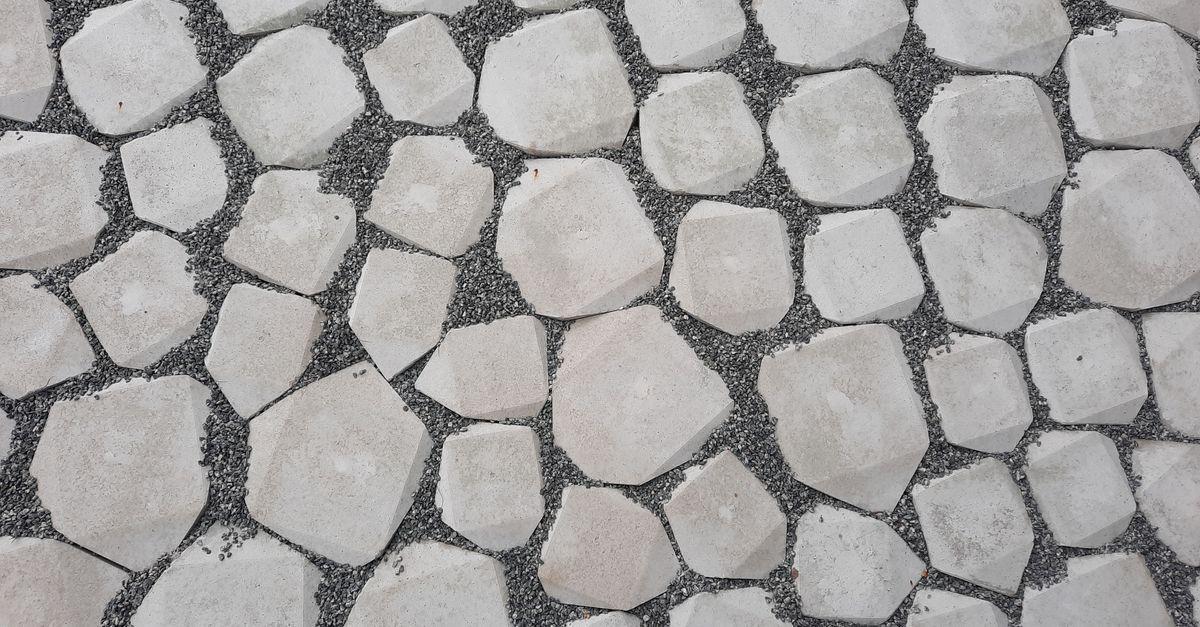
Can you install interlocking pavers during late November in Toronto? Learn how freezing temperatures affect sub-base compaction and what steps matter most.
Late November brings cold snaps and early frosts across Toronto, making property owners wonder if outdoor hardscaping projects must wait until spring. When dealing with cold weather, every step of sub-base preparation requires careful handling to prevent future shifting. Understanding how frost impacts aggregate and soil helps you decide whether to proceed with your layout now or protect the site until milder weather returns.
Sub-Base Compaction in Cold Weather
The foundation of any durable hardscape lies deep beneath the surface, starting with proper excavation and aggregate compaction. When temperatures drop below zero, frozen ground makes it nearly impossible to achieve the required Proctor density for crushed stone layers. If the subgrade contains frozen chunks of clay or silt, those pockets will eventually thaw and settle, causing your paved surface to undulate. Crews working in Etobicoke and North York must ensure the sub-base material itself is not stored outdoors in freezing piles that contain frozen lumps.
Aggregate must remain workable and free of ice crystals so that plate compactors can lock the stone fragments tightly together. Applying geotextile fabric correctly prevents fine native soils from migrating upward into the aggregate base, which is especially crucial as autumn rains give way to winter snow. If ambient temperatures hover near freezing, laying a proper granular sub-base requires monitoring both ground frost depth and overnight lows.
Laying Sand Beds and Pavers When Temperatures Drop
Once the compacted granular base meets structural standards, contractors apply a bedding layer of concrete sand to receive the individual units. Laying sand becomes problematic if snow flurries or freezing rain dampen the material, creating frozen crusts that ruin the even grade needed for uniform installation. Masons working across Vaughan and Markham must screen the sand bed precisely, as freezing temperatures prevent the easy adjustment of uneven pavers once placed.
Joint sand must also be swept into the spaces between units while everything is completely dry. If moisture freezes inside the joints before compaction and stabilization occur, the interlocking action fails. Property managers and homeowners planning exterior upgrades can explore options like interlocking pavers or durable retaining walls by reviewing our site services.
Managing Drainage and Slope During Late Autumn
Proper surface drainage remains the single most important factor preventing winter freeze-thaw damage on newly paved surfaces. Pavers must slope away from building foundations at a consistent grade to prevent pooling water from turning into sheets of ice right against exterior walls. Installing a french drain or proper surface channeling near patio edges ensures that melting late-fall precipitation escapes safely before dropping temperatures cause frost heaves.
Inspect existing drainage paths around your property carefully before committing to any late-season masonry work. If water sits stagnant in your yard during early morning frosts, laying pavers over that saturated ground invites severe settling once spring arrives. Proper grading protects your investment through multiple freeze-thaw cycles.
Frequently asked questions
Can sand freeze during paver installation?
Yes, exposed bedding and joint sand can freeze solid during overnight cold snaps, making it impossible to compact or sweep correctly. Contractors must keep sand dry and protected until it is installed.
Is it safe to use salt on new interlocking pavers?
Avoid applying rock salt or harsh chemical de-icers on newly laid interlocking pavers during their first winter season. Use plain sand for traction instead to protect the surface finish.
Ready to plan your next hardscaping or property improvement project? Call us at (647) 621-3341 or visit our contact us page to speak with our team about your options.
Photo: Timothy Huliselan / Pexels
JKRC Engineering & Field Team
With over 25 years of hands-on GTA experience, the JKRC in-house field crew delivers turnkey structural waterproofing, basement lowering, and concrete restoration across Toronto and Southern Ontario.
Field Journal
Related Articles
Identifying Retaining Wall Damage in Etobicoke This November
Late autumn weather brings soil saturation and frost, putting heavy pressure on retaining walls in Etobicoke. Spot the warning signs of failure early.
Why Older Toronto Homes Need Backwater Valve Maintenance
As November rains increase the risk of municipal sewer backups, older Toronto homes need functional backwater valves. Proper maintenance protects your basement.