Managing Foundation Pooling After Autumn Rains in Toronto
JKRC Engineering & Field Team
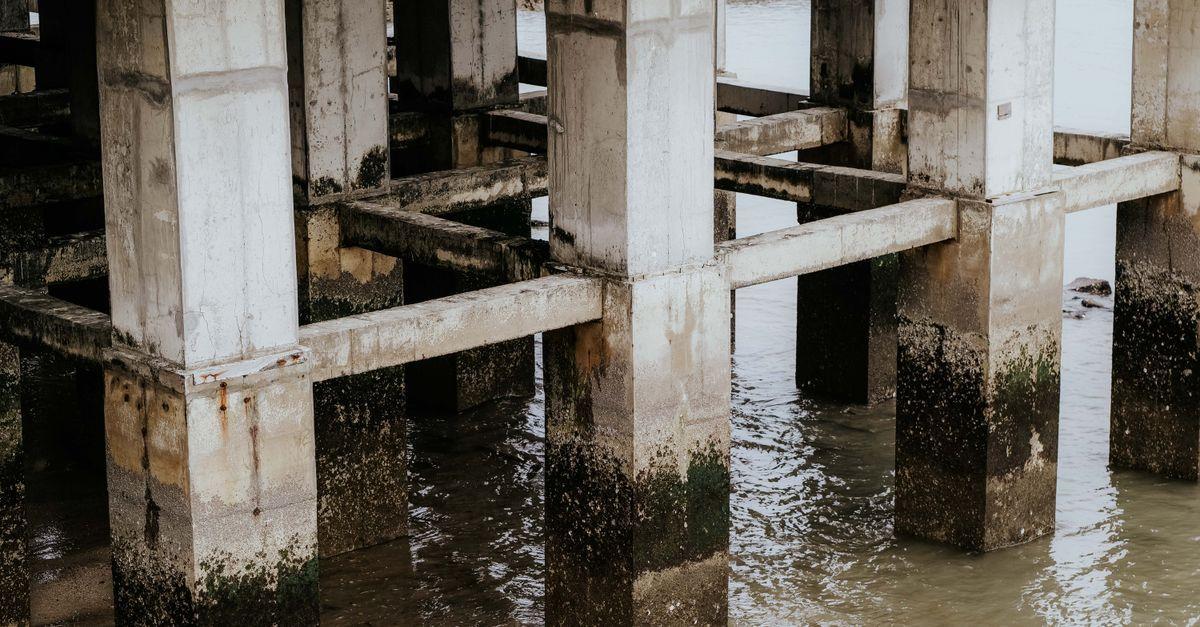
Late autumn rains often highlight drainage issues around your foundation. Discover how to redirect water away from your home before the ground freezes.
As the November chill settles over Toronto and Etobicoke, heavy rainfall often exposes vulnerabilities in your property’s perimeter. When you notice water gathering near your foundation walls, it is a clear signal that your soil grading or drainage systems are struggling to manage the volume of water from recent storms.
Understanding the risks of pooled water
When water sits against your foundation, hydrostatic pressure begins to build. This pressure forces moisture through microscopic cracks in your concrete, leading to dampness, mould, or active leaks in your basement. In late autumn, this is particularly concerning because as temperatures drop toward zero, any water trapped within those cracks will expand as it freezes. This cycle of freezing and thawing can widen existing fissures, turning small hairline cracks into structural issues over time.
Property owners in North York and Scarborough should check their perimeter after every heavy rain. If the ground remains saturated for more than a day, the soil is likely holding that moisture against the foundation rather than shedding it away. This is the stage where minor surface issues can escalate into the need for professional Exterior waterproofing to protect the home’s envelope.
Grading and downspout management
The most common cause of pooling is poor positive grading. The ground should slope away from your foundation for at least two metres. Over time, soil settles, creating depressions or low spots that act as catch basins for rainwater. You can often correct minor settling by adding clean fill soil, ensuring that the grade is high enough to shed water away from the walls.
Downspouts are another critical factor. If your downspout extensions are too short, they deposit high volumes of water directly onto the backfill area right next to your foundation. Extend these pipes at least two to three metres away from the building. Ensure the water is directed toward a storm drain or a sloped area of your yard. If your property layout does not allow for simple extensions, you may need a French drain or a more robust drainage solution to intercept the water before it reaches the structure.
When to call for professional assessment
If you have addressed the grading and extended your downspouts but still see water pooling, the issue might be deeper. Sometimes the weeping tile system installed at the base of the foundation becomes clogged with silt or debris over the years. When the weeping tile fails to carry water away, the soil around the foundation becomes fully saturated, and water will inevitably find its way inside.
Our team provides professional evaluations for these situations, ensuring that your home is prepared for the coming winter. We are Licensed & insured, WSIB covered, and provide a Transferable workmanship warranty. With 25+ years in the GTA and 24/7 emergency response, we understand the specific drainage challenges faced by homeowners in Mississauga, Vaughan, Markham, and Richmond Hill. Whether you require Foundation repair or a site drainage audit, we are ready to assist.
Frequently asked questions
How can I tell if my foundation is leaking?
Look for damp patches on basement walls, efflorescence, or a musty smell in the lower levels of your home. If you notice water pooling outside after a rain, it is likely only a matter of time before it migrates indoors.
Can I fix grading myself?
You can fill in minor depressions with soil to ensure a proper slope away from the house, but if the issue involves large-scale settlement or foundation wall movement, you should have a contractor assess the site to avoid further damage.
Does the cold weather stop waterproofing work?
While some tasks are easier in warmer months, we handle water-related emergencies year-round. If you have an active leak, please contact us so we can assess the situation promptly.
If you are concerned about water pooling against your foundation or need expert advice on keeping your basement dry this winter, please call us at (647) 621-3341. Our team is ready to help you secure your property against the elements.
Photo: Luis Quintero / Pexels
JKRC Engineering & Field Team
With over 25 years of hands-on GTA experience, the JKRC in-house field crew delivers turnkey structural waterproofing, basement lowering, and concrete restoration across Toronto and Southern Ontario.
Field Journal
Related Articles
How to Inspect Your Retaining Wall Before Winter in Toronto
Inspect your Toronto retaining wall for leaning blocks and clogged drainage before winter frost arrives. Learn what to check on your property.
Why Backwater Valves Are Essential for Toronto Homeowners
When the municipal sewer system reaches capacity, wastewater can flow backward into your home. A backwater valve is your best defence against this hazard.