Underpinning Sequenced Pins: Increasing Ceiling Height & Structural Integrity in Toronto Homes
JKRC Engineering & Field Team
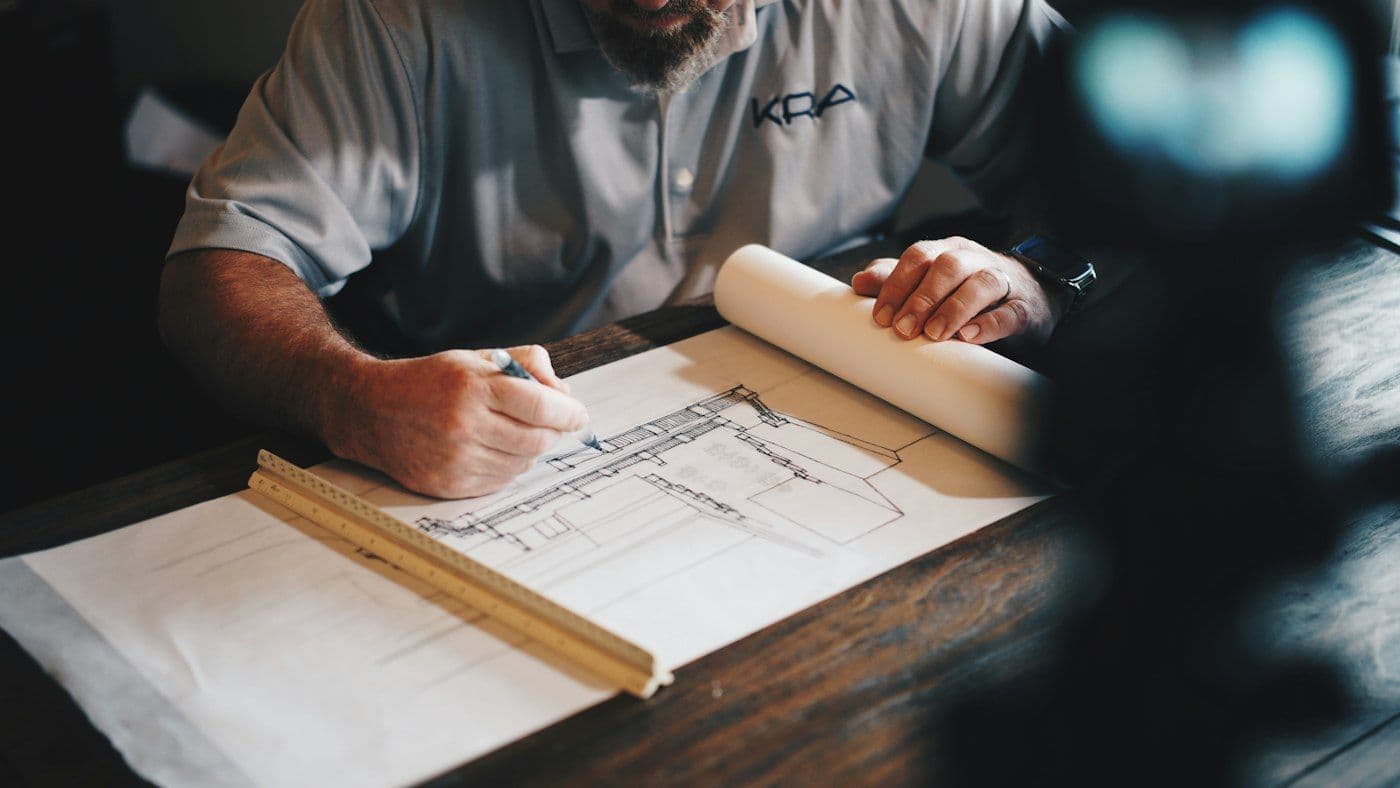
Sequential underpinning transfers the full structural load to a new, deeper footing.
A step-by-step review of sequential concrete pin excavations, non-shrink dry-pack grout, and engineering permits for lowering residential basements.
Transforming an old 6-foot basement into a generous 8-to-9-foot luxury living suite is one of the highest-yield structural upgrades available in Toronto. Underpinning extends the foundation downwards, transferring the building's weight to a lower, fully engineered footing.
The Three-Stage Sequential Method
A foundation cannot be excavated all at once. Professional underpinning divides the perimeter into numbered segments (Pins 1, 2, 3), typically between 3 and 4 feet wide. Pin #1 sections are excavated first, supported by trench safety shoring, and poured with high-strength 32 MPa concrete up to within two inches of the existing footing.
“Underpinning is precision geotechnical surgery: structural loads must transfer continuously without differential settlement.”
The Critical Role of Dry-Pack Grout
After concrete cures, the remaining two-inch gap between the new pin and the old footing is hand-rammed with non-shrink dry-pack grout. This specialized mortar expands microscopically as it cures, creating a zero-tolerance structural union that permanently carries the load of the floors above.
JKRC Engineering & Field Team
With over 25 years of hands-on GTA experience, the JKRC in-house field crew delivers turnkey structural waterproofing, basement lowering, and concrete restoration across Toronto and Southern Ontario.
Field Journal
Related Articles

The Physics of Hydrostatic Pressure: Why Exterior Waterproofing Protects GTA Foundations
An engineering breakdown of lateral soil pressure in Ontario's dense clay soils and why elastomeric rubber membranes stop water before structural ingress.

Managing Sub-Slab Moisture: How Interior Drainage & Dual-Battery Sumps Protect Finished Basements
When exterior excavation is restricted by tight urban lot lines, interior weeping tile systems relieve subterranean water tables without disturbing surface structures.