Why Older Toronto Homes Suffer From Clogged Weeping Tiles
JKRC Engineering & Field Team
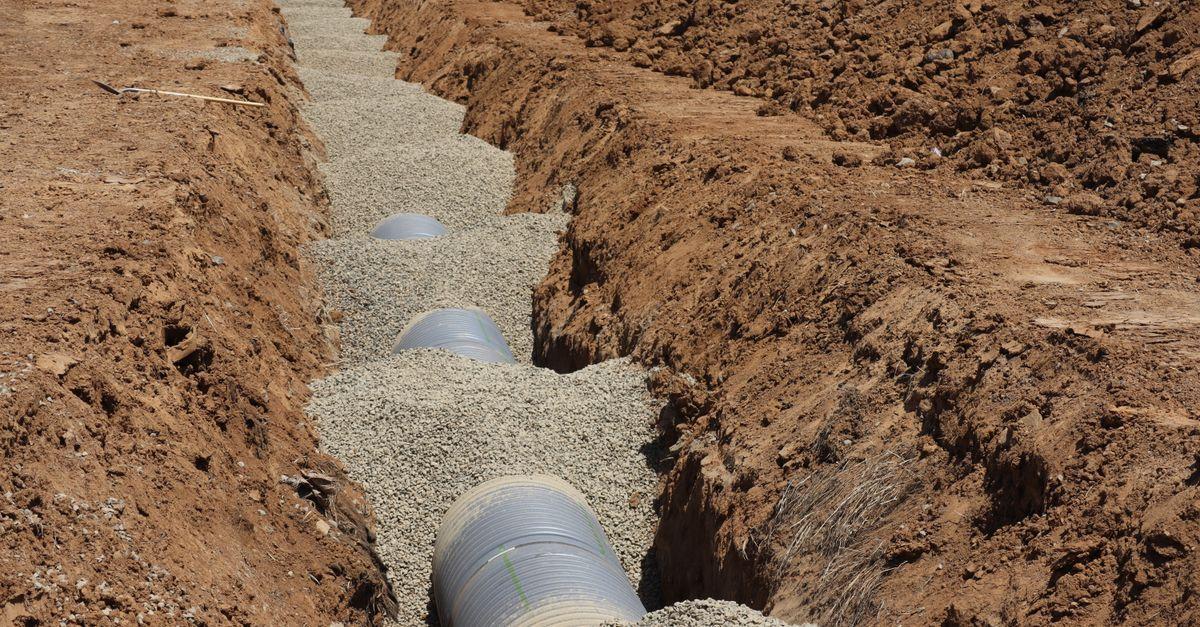
Discover why aging perimeter drainage fails in older Toronto homes as late autumn moisture rises, and how proper drain cleaning restores sub-grade flow.
Late autumn brings cold snaps and heavy moisture across the GTA, putting pressure on older underground drainage systems. As temperatures drop toward zero, hidden issues with perimeter drainage around aging properties often start to show up inside the basement.
Understanding how underground pipes function helps property owners address moisture issues before deep winter sets in across Toronto and surrounding areas like Etobicoke and North York. When water cannot escape freely away from the foundation walls, hydrostatic pressure builds up rapidly. This pressure forces moisture through tiny cracks in concrete or masonry, leading to damp floors and musty odours.
The Role of Perimeter Drainage in Older Properties
Many historic properties throughout the region rely on aging clay or early plastic pipes buried deep around the footings to collect and carry groundwater away. Over decades of service, these buried lines face constant shifts in the surrounding soil caused by seasonal freezing and thawing cycles. Roots from mature neighbourhood trees frequently infiltrate pipe joints seeking moisture, creating dense blockages that trap water underground. Furthermore, fine silt and debris wash into the system over the years, gradually reducing the internal diameter of the pipe until flow stops entirely.
Property owners dealing with persistent dampness often find that surface grading alone cannot resolve the deeper subterranean buildup. When the path of least resistance leads directly into the basement floor slab or wall joints, interior living spaces suffer. Recognizing the early signs of a compromised sub-grade drainage network prevents minor moisture accumulation from turning into major structural saturation. Maintaining clear underground pathways ensures that melting snow and late-season rainfall safely bypass vulnerable structural elements.
Professional Solutions for Subsurface Blockages
Resolving an underground blockage requires specialized diagnostic tools and heavy equipment to access the affected pipe network safely without damaging landscaping or hardscapes. Contractors use high-resolution camera inspections to locate exact problem areas, structural collapses, or severe root intrusions within the buried lines. Professional drain cleaning and repair clears out accumulated silt and stubborn debris, restoring proper flow capacity to the entire perimeter system.
In scenarios where the original piping has crushed or completely disintegrated due to age, more extensive interventions become necessary to protect the structure. Integrating a robust interior waterproofing approach manages any residual seepage that bypasses the exterior footings during heavy precipitation events. For properties requiring a complete overhaul of the perimeter defense, combining updated drainage channels with a reliable sump pump installation ensures active water removal away from the vulnerable foundation walls all year round.
Preventing Seasonal Basement Seepage
Late November weather transitions quickly from cold rain to early snowfall, making it essential to ensure that water management systems function without interruption. Blocked sub-surface lines prevent water from reaching designated discharge points, causing pooling directly against the concrete footings. Homeowners can protect their lower levels by scheduling routine inspections before freezing temperatures lock the soil solid.
Addressing minor drainage sluggishness early stops pressure from building against the foundation walls during heavy spring thaws. Property managers in Toronto, Mississauga, and Vaughan often coordinate comprehensive system flushes during property maintenance cycles to verify that outflow channels remain wide open and free of obstruction.
Frequently Asked Questions
How do I know if my weeping tiles are clogged?
Common indicators include slow-draining floor sumps, damp corners in the basement after heavy rain, and unexplained water pooling near the base of foundation walls.
Can roots be cleared from old perimeter pipes?
Specialized cutting attachments on high-powered cleaning equipment can slice through root masses, though severely damaged pipes may require physical replacement.
Are older clay tiles worth repairing or should they be replaced?
If the pipe structure remains largely intact despite minor shifting, targeted cleaning and localized repairs often restore function, while extensively crushed lines demand full replacement.
For expert guidance on protecting your property from subsurface moisture issues, please contact us or call JKRC Group directly at (647) 621-3341 to discuss your drainage needs.
JKRC Engineering & Field Team
With over 25 years of hands-on GTA experience, the JKRC in-house field crew delivers turnkey structural waterproofing, basement lowering, and concrete restoration across Toronto and Southern Ontario.
Field Journal
Related Articles
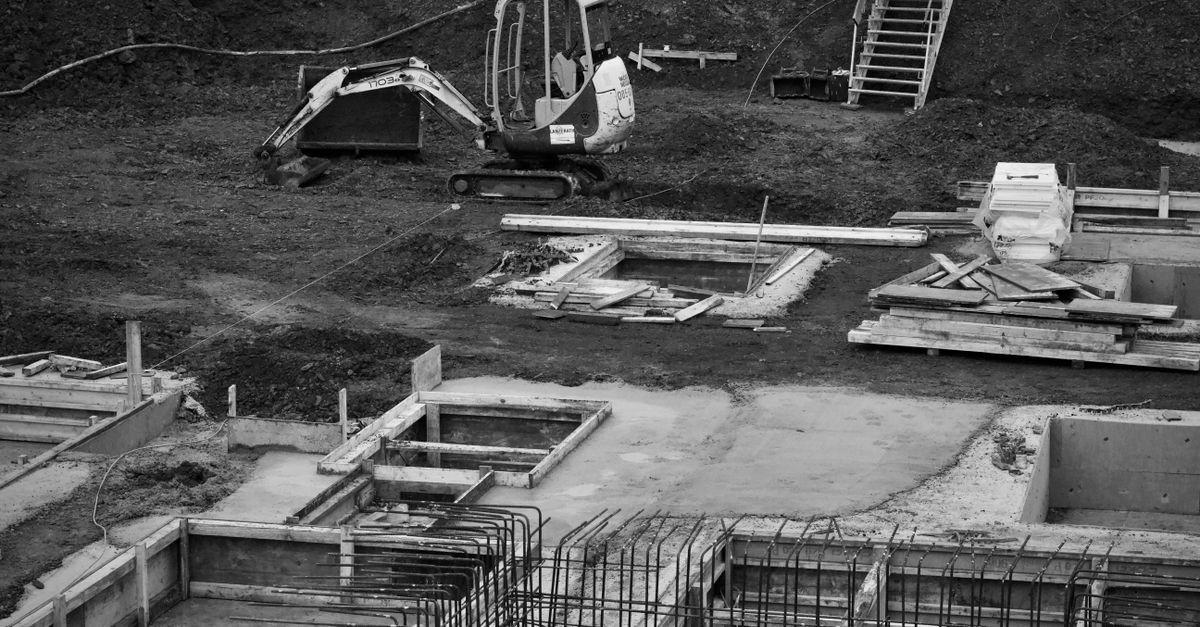
How Basement Lowering Adds Usable Height and Value in Toronto
Discover how basement lowering transforms low Toronto lower levels into bright, full-height living spaces through safe structural excavation and drainage upgrades.
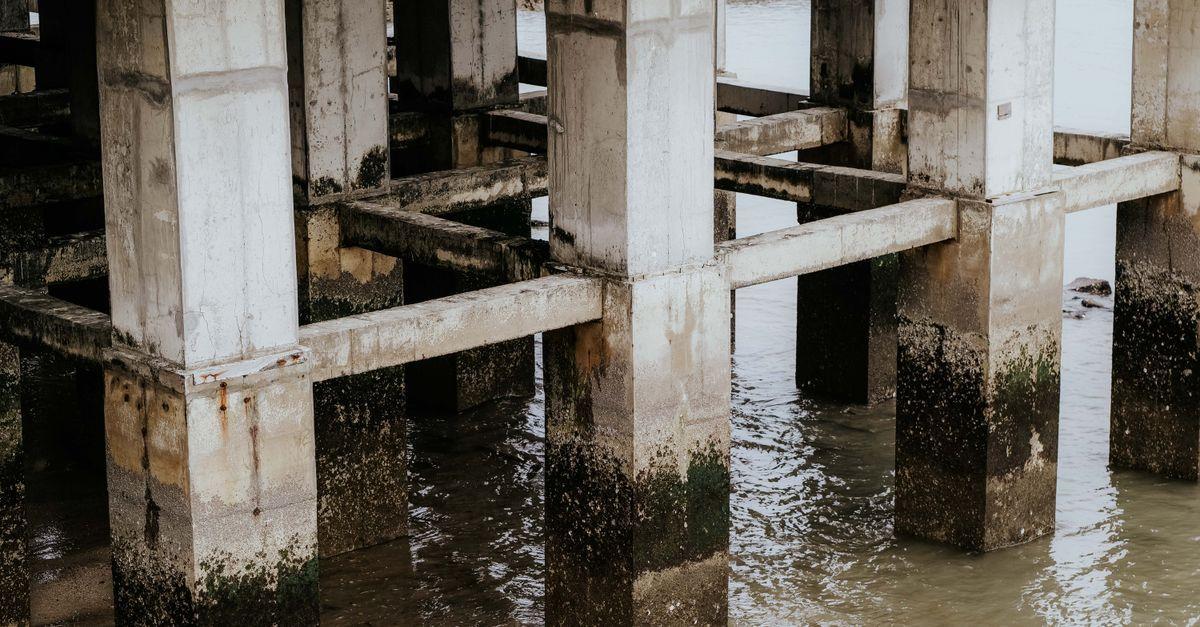
Managing Foundation Pooling After Autumn Rains in Toronto
Late autumn rains often highlight drainage issues around your foundation. Discover how to redirect water away from your home before the ground freezes.